Kamis, 05 April 2018

Construction Law vs. Real Estate Law Differences and Similarities

Construction Law vs. Real Estate Law Differences and Similarities

Image source: http://www.switzerland-family-office.com/pics/chart-family-office.jpg

Construction Law vs. Real Estate Law Differences and Similarities

Differences

Real Estate Law

The fundamental difference between Construction Law and Real Estate Law is that Real Estate Law is primarily seventy-five percent (75%) determined by a maze of statutes and regulations, both State and Federal, designed to protect the public from predatory developers and lenders; with a secondary twenty-five percent (25%) underlying foundation of British common law concepts of land ownership dating back several hundred years.  This hybrid combination can be confusing and difficult to understand at times, but it is pretty much set in stone.

A good Real Estate Attorney will be able to guide you through the maze of statutes and regulations, tell you what documentation is necessary and required, and caution you as to pitfalls.  Lets put it this way if you have five Real Estate attorneys in the conference room, and you ask a particular question, the attorneys will only differ slightly in their answers, and they will basically agree on the concepts, if not always on the best path to implement those concepts. 

Construction Law

Construction Law, on the other hand, is more practical, determined by the rapidly evolving needs of the Construction Industries.  A Construction Contract is of course a contract, and all of the statutes and case law concerning interpretation of contracts will apply.  But the over-riding concept is implementing the reality of what it takes to build a structurally sound, safe dwelling or commercial building. 

Similarities

In both Real Estate Law and Construction Law, the Ordinances and Requirements of Local Municipalities play an important role.  In Real Estate Law, its the Zoning Ordinances and Codes, which limit the permissible uses for a parcel of real property, and thus greatly affect its valuation.  Whether it is new construction, or renovation, you had better know what the local Zoning Ordinances permit.  Is the area zoned commercial, residential, or mixed-use?  Is it possible to obtain a Variance? 

Whether its a question of Real Estate Law or Construction Law, you really do need to know exactly what you are doing, and what the restrictions are.  Weve all heard the nightmare scenarios of discovering after the building is built that it was not built in accordance with the relevant Zoning ordinances.  In Manhattan, New York, a few years ago, a 60-story residential skyscraper was built, and completed, only for the Builders to learn that it was illegal, having exceeded the maximum permissible height by about fifteen (15) stories.  At first, New York City ordered the building to be torn down, but I believe that ultimately the builders paid a very large fine, but were allowed to leave the building intact!

In Construction Law, its the Building and Safety Codes, and Construction ordinances.  For example, if you want to build a new office building in Los Angeles City, or Los Angeles County, youre going to have to have a Construction Law Attorney, or consultant, do a good deal of research, and apply for the required permits and certificates.

Many Los Angeles office buildings, built before stricter building codes were instituted in 1974, were subsequently required to do Retrofitting.  Under the Retrofitting requirement, Fire Safety had to be upgraded, with new and more sophisticated Sprinkler systems put in place.  Minimum water pressure requirements were enforced, as well as a myriad of requirements for heat-sensors and sprinkler systems.  Sometimes entirely new ceilings were required to be installed, so that the Sprinkler system heat sensors would work reliably.  

But whether its a question of Real Estate Law, or of Construction Law, the basic advice is quite similar.  As my grandfather, an old-world Russian Tailor by trade, used to say, when youre sewing a winter coat (he worked for the expensive New York department stores seasonal work, but pretty steady from year to year) Measure twice, but cut once!  As applied here, that means research, hire advisors, Real Estate lawyers, Construction Lawyers, hang-out at the Building Department downtown, but know what the issues are, before you buy the house, or build the building!

Composting Toilet Dos and Don'ts

Composting Toilet Dos and Don'ts

Image source: http://www.harrodhorticultural.com/uploads/images/content/Composting%20Infographic_2434.jpg

Composting Toilet Dos and Don'ts

Homeowners with septic systems are accustomed to being cautious about what goes down their toilets. These folks know that you don't want things like sanitary napkins, harsh chemicals, or an excessive amount of toilet paper going into a septic tank. Along those same lines, homeowners with composting toilets must also be careful about what goes their toilet, too. In this article, we'll cover some basic do's and don'ts when it comes to what goes in your compost toilet.

To premise this discussion, we'll begin with a brief explanation of what a composting toilet is and how it works. These eco friendly fixtures are a water-saving alternative to a traditional toilet. Rather than being hooked up to a sewer and flushing waste away with water, they are designed with a composting drum where waste is broken down by tiny microbes and oxygen. Special venting systems ensure that compost toilets operate 100% odorlessly, and after several months, you are left with ordinary compost, a non-offensive substance that looks and smells just like garden soil.

One of the first and most important considerations with a composting toilet is not to add anything that might affect the microbes' ability to do their job of breaking down the waste. This means no harsh chemicals or cleaning agents such as bleach or ammonia products, as these will kill the beneficial bacteria. A good alternative cleaning solution is a mixture of baking soda and water.

Another potentially harmful substance is antibiotic medicine. Some people like to dispose of old medications by flushing them down their toilets. This is not a good idea with a composting toilet, because any medicines designed to kill bacteria will harm the microbes in your compost. Furthermore, if you or someone in your home has a chronic illness for which they must take antibiotics over an extended period of time (for example, 6 months at a time, or longer), it might be a good idea for that person not to use the composting system, because that antibiotic medicine will be present in their waste.

It's also important to understand that composting toilets vary in size based on the number of people who will be using the fixture on a daily basis. For example, a single adult would not require nearly as large a unit as would a family of six people. The capacity of the toilet, based on the number of people using it, takes into account waste and toilet paper. It does not factor in additional capacity or space for things like feminine sanitary products, paper towels, baby wipes, diapers, or facial tissue. Adding these items not only affects the capacity of your system, but many of these items will also be slow to biodegrade, meaning you may end up with finished compost that still contains part of a sanitary napkin in it-not something you want to deal with. Educate all members of the family that the only items to go in the composting toilet are waste and toilet paper; everything else belongs in the garbage can.

When it comes to composting toilets, a little common sense and thoroughly reading the manufacturer's instructions will go a long way toward protecting your investment and keeping the unit working properly. Just as with a septic system, taking good care of your composting toilet and keeping certain items out that don't belong will ensure that it performs as it should and lasts as long as possible.

Rabu, 04 April 2018

Common Myths About Rattan Garden Furniture

Common Myths About Rattan Garden Furniture

Image source: https://www.level8plaza.com/image/cache/catalog/product/IG9324/4-750x750.jpg

Common Myths About Rattan Garden Furniture

There is no denying the popularity of rattan garden furniture in the modern-day outdoor and landscaping market. A perennial favourite among home and garden owners for its versatility, durability and weather resistance, this material continues to be a common sight in gardens, patios, conservatories, porches, verandas and even balconies all across the western world.

Yet as popular as it is, and as well as it continues to sell the world over, there are still a few lingering myths about rattan and rattan garden furniture which have somehow persisted to this day. Some of these are easier to debunk than others, and this article tackles a few of the most easily disproven ones.

It Takes Up Room

One of the most persistent myths about rattan garden furniture is that a home-owner looking to add it to his or her garden will need a considerable amount of room. Unlike other myths about this material, there is an element of truth to this one, and it is grounded on something tangible; however, it cannot be considered entirely accurate.

This is because, while many rattan garden furniture items do indeed take up a fair amount of space, especially in the case of full sets, just as many are actually designed to fit into narrower spaces. Rattan furniture designers know not all of their customers will have unlimited space available in their gardens or outdoor areas, and design some of the items in their lines in such a way as to account for that fact. Apartment-dwellers or those with smaller gardens or patios will almost certainly find a variety of lounging chairs or smaller sofas in the catalogue for any rattan garden furniture manufacturer.

It Is Expensive

Another common criticism lobbed at rattan garden furniture is that it is expensive. Once again, however, this is not an entirely accurate statement. While some of the upper-end sets can indeed be expensive, for reasons ranging from design to materials to brand name, there are a plethora of smaller companies offering their rattan items at a far more affordable price.

Customers on a budget or lower on funds need therefore not think that they will not ever be able to afford any rattan garden furniture of their own; they will only have to do a little shopping around to discover several options on the market likely to fit their budget.

It Damages

The myth that rattan garden furniture damages easily is not a myth per se, at least not if the rattan market is analysed as a whole.  On the contrary, the statement can be considered true if referring to natural rattan, which can and will fray or crack if not cared for properly, and which has very little weather resistance. It only becomes a myth when it is applied to synthetic rattan, the most common and widespread type of rattan garden furniture on the market.

Indeed, synthetic rattan is created using a polyethylene alloy, especially designed to make the material damage- and weather-resistant. The intent behind the creation of this material was, precisely, to address and correct some of the main problems with natural rattan garden furniture, so it stands to reason that the defects the natural variant presents will not be present on the synthetic one. Owners of a synthetic rattan garden furniture set can therefore rest easy knowing any damage their furniture may incur from either the elements or lack of maintenance will be negligible.

These are only some of the still widely prevalent myths about rattan as a material, and rattan garden furniture specifically. There are, of course, others which could be addressed, but these are the most significant ones and the ones keeping the most people from purchasing a rattan garden furniture set, and therefore take precedence over all the others when it comes to debunking.

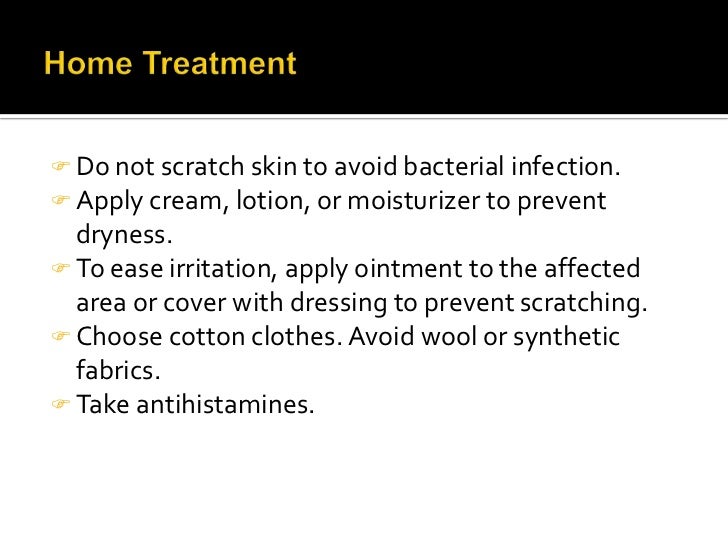
Common Mausoleum Issues and Remedies

Common Mausoleum Issues and Remedies

Image source: https://image.slidesharecdn.com/hometreatmentforcommonhealthproblems-110702095645-phpapp01/95/home-treatment-for-common-health-problems-17-728.jpg?cb=1309600705

Common Mausoleum Issues and Remedies

Mausoleums, in general, tend to be beautiful buildings, standing as stately monuments to the loved ones who are layed to rest in them. These ornate buildings, commonly adorned with bronze and gold accents, marble columns and stained glass windows, are designed and assembled to mirror a sense of dignity, serenity, and peace. There are two common complications with many mausoleums, however, which, undesirably, rob the serene and peaceful quality from the families of the interred, and make a mockery of the deceased bodies. These two conditions are mausoleum smells and coffin, or phorid flies.

Mausoleum smells are from the decomposition process, which occurs naturally as the body undergoes the decaying process. Morticians frequently call the offending bodies, "leakers". These mausoleum odors can be terribly overwhelming, and as a result of the embalming chemicals and the gases coming as a result of decomposition, they can coupled with that pose a health hazard to workers and visitors.

The second challenging issue that is prevalent for most mausoleums is the phorid or coffin fly. These terrible pests are about one fourth the size of the average house fly, and while they're in the larval stage of growth, coffin flies feed on the decomposing bodies within the crypt spaces. When they emerge from the casket as mature flies, they also pose a dreadful risk in spreading disease when they land. Frequently, they are in search of moisture, and it is very common for them to fly into the eyes, nose and mouths of visitors or workers in the structure. The flies tend to be so small that a lot of folks confuse them as gnats, and insiders in the mausoleum business do not want visitors to find out the reality about exactly where the flies are emerging from.

This is what one visitor to a mausoleum in Glendale, California had to say, "Possibly the most shocking of all is the Mausoleum. I stepped inside and knew immediately something was wrong. There the temperature inside the complex was around 80 degrees. I heard what sounded like insects swarming in one of the walls many of the vaults have had leakage problems where they have sealed them with shower caulk. As I scanned the flashlight around the room, I saw horrible damage. There was a discolored substance that ran from the marble plates down to the floor."

The good news is, you can find options to battle both mausoleum odors and coffin flies. For decades, most inside the industry have tried to utilize deodorizing sprays, chemical pest control, fly papers, and large fans to cover the odors and to try to manage the phorid fly infestations. These sprays and chemicals, etc. have frustrated mausoleum caretakers and other employees, because they are generally ineffective, and in addition, they develop into a health hazard in the structure, creating a noxious environment that's harmful to employees and visitors alike. An additional remedy is an electronic unit that mausoleums utilize to neutralize odors and to deal with the coffin flies, which from industry claims, is likely to make the task less difficult for the mausoleum proprietors and staff because it is effective at controlling the flies and will completely get rid of odors on a nightly basis while the building is vacant. Using the electronic method, there is additionally the security in knowing that there aren't any harmful toxins being spread throughout the building, which makes for a "eco-friendly" solution which is a great deal more healthy for personnel and guests.

Why not help preserve the dignity, peace and serenity for the passed and for their families, and help keep these beautiful structures as the memorials that they were designed to be. We grieve at the losing of a loved one; there is certainly no reason to have to perpetually suffer when paying respects. If you happen to be in a mausoleum and you observe the little coffin flies or if you smell any foul odors, without delay register a written grievance with the mausoleum owner and with the Funeral Consumers Alliance,or in the case of a Catholic cemetery, to the church, or the office of the local bishop.

Chris Zikmanis is the creator of Dignity Angels, an advocacy group which is devoted to encouraging a degree of reverence to honor our fallen relatives at or near the graveside. Should you require assist resolving cemetery or mausoleum problems, please contact Dignity Angels. http://DignityAngels.co.cc/

Choosing the Best Eco-Friendly Car

Choosing the Best Eco-Friendly Car

Image source: https://scrapit.ca/wp-content/uploads/2014/04/Large-Car-Cropped.jpg

Choosing the Best Eco-Friendly Car

These days, many people are choosing to buy eco-friendly vehicles. After all, if they are going to invest a good chunk of cash on a new vehicle, it may as well be one that is going to be safer for the environment, and give you the option to avoid the gas pumps. There are a lot of different eco-friendly cars available on the market today. Here we will discuss some of the most popular models.
2016 Chevy Volt This is a high-mileage hybrid car that lets you drive as far as 53 miles before you have to bother gassing up. It is easy to recharge overnight. You simply need to plug it into a charging station in your garage. But, unlike other similar vehicles, this one also runs on gas. The gas engine helps when you need to accelerate on the highway, and it also powers the vehicle when the battery power runs out. Even when using the gasoline mode, you can expect to get 43 miles to the gallon in the city, and 42 on the highway.
2016 BMW i3 This electric car offers rear-wheel drive, and it is a four-seater, making it an ideal family vehicle. It takes corners like a dream, and has plenty of interior space. Most of the interior is made from plant-based materials, making this one of the more eco-friendly vehicles available. If you want yours to have wood trim, be confident that it is natural, made from forested eucalyptus.
VW Golf Bluemotion This is one of the best eco-friendly models available, with a 1.6 liter diesel engine that offers good performance and a great feel. It doesnt cost much to fill it up either, since it has many aerodynamic and mechanical upgrades that make it a lot easier on gas than other similar vehicles. So, you can save money to spend on other things, such as full-coverage car insurance to protect your new vehicle.
2016 Toyota Prius This is a company that is leading the way in hybrids, and the Prius is a great example of why. This sporty little car is as comfortable as it is attractive, and it gets good mileage (54 miles to the gallon in the city and 50 on the highway). You can get some pretty great options as well, including pedestrian detection and an automated follow system that allows you to set the cruise control for stop and go traffic.
SEAT Leon Locomotive Here is a hybrid that is comparable to the Golf, with a lot of features that make it easy on gas. These features include low rolling resistance tires, along with numerous other modifications. It offers a 1.6 liter diesel engine, and gets 88.3 miles to the gallon. There are three and five door options to choose from.
2016 Ford Fusion Hybrid If you are looking for a solidly-built vehicle, this is definitely an option to check out. It gets 44 miles to the gallon in the city, and 41 on the highway. It drives as smoothly as a gas-powered vehicle, and has plenty of power when you need it. If you need more room than the Prius has to offer, this is a hybrid you should seriously consider.
Vauxhall Ampera This is one of the greenest vehicles available today, even if it isnt one of the most powerful. It has a small engine (1.4 liter), but it does get pretty good mileage and produces low emissions. A big bonus with this vehicle is how quietly it runs. It is as quiet as an electric vehicle, but you dont have to rely on just the battery.

Selasa, 03 April 2018

Choose the Eco Friendly Cafe Chairs on Your Establishment

Choose the Eco Friendly Cafe Chairs on Your Establishment

Image source: http://i.ebayimg.com/images/i/152094522738-0-1/s-l1000.jpg

Choose the Eco Friendly Cafe Chairs on Your Establishment

Installing the furniture on a caf or restaurant keeping the buzzword global warming in mind is the smartest and thoughtful way to adorn the eatery. Most smart hospitality business owners follow the trend.

Go Green or Eco Friendly has become the buzzword these days. However, it is quite a difficult to go back to nature and shun the technology. Now, people start using the eco friendly products wherever they get the chance. Furniture is one of those parts. The modern people choose the cafes and restaurants that follow the trends these days.

Changing the caf setting, the part of furniture, with the much focused sound global worming into eco friendly is not only a moral step to take but also a total groom up of the caf. Lets face, what to do to install eco friendly cafe chairs in an eatery.

Look for the certified sustainable products

Most people think that using wooden furniture is the core part of right use of eco friendly. That is a hoax indeed. Choosing the right material of the furniture irrespective of the weather and location is the right use of being eco friendly with restaurant and caf furniture. Quite good options are available in the market like wood, metal, fiber or plastic those are eco friendly and cool as well. The world undoubtedly needs more trees now; therefore being eco friendly is stop deforestation. On the other hand, the industrial mines like zinc, copper silver has become over-mined. Also, the over-used of plastic radiates toxicity in the nature. Therefore, the amalgamation and the usage of proper ration of all the products is called eco friendly. So, one needs to look for the furniture that is made of sustainable products. Bamboo, bentwood, aluminum are the material that have versatile quality that are suitable for any type of restaurant furniture. Any caf that is made of the sustainable products should have achieved the tremendous level of popularity.

Going for bentwood is a smart choice

The very first sustainable product that has already achieved the high place among the sustainable materials is bentwood. It is strong, versatile, fast growing, easy to make furniture and classy. Another reason for using bentwood chairs or tables is it fit to all theme-based restaurants. No matter what theme an eatery wants to set up, traditional r trendy, bentwood is fit for all. Also, this product is cost effective. The caf owner does not need to spend a lot of money to install this product in his r her place.

HDP is another right choice

Although plastic is the forever foe of the environment. The experts say that products made of eco friendly recycled plastic that has high density Polyethylene or HDP is a right choice to make lightweight cafe tables and matching chairs. Different trendy chairs, tables and ottomans are made of this HDP.

As you can see that there are different products to make different eco friendly cafe chairs table and other related items. In different manufacturers and suppliers in Sydney, you will get the eco friendly hospitality furniture that are made of reminding the fact of global warming. Installing these types of furniture in a caf is a matter of win-win.

Chicago Rooftop Gardens

Chicago Rooftop Gardens

Image source: http://cbsnews2.cbsistatic.com/hub/i/r/2014/03/06/e4305020-6d81-45de-908e-71c02e3a9bdb/resize/620x465/5fa03be8ae054c0eb94a5e1d5723f370/chicago-roof-garden.jpg#

Chicago Rooftop Gardens

When someone mentions Chicago, images of skyscrapers and windy politicians immediately come to mind, but what about gardening? Many people may not realize it, but the city of Chicago is absolutely covered with gardens. We are not talking about your average run of the mill backyard green belts with garden benches and planter boxes; we're talking green patches in the sky.

Rooftop gardens are as functional as they are beautiful. They are incredibly energy-efficient, providing natural sound and heat insulation, improve air quality, reduce water runoff and in big cities, they decrease the excess heat of the "urban heat islands."

Mayor Daley's Garden

Chicago has been a pioneer of the urban rooftop garden movement. Chicago's former mayor, Mayor Daley, announced the city's Urban Heat Island Initiative in 2001 by having an enormous 20,300 square-foot rooftop garden planted on top of Chicago's City Hall building. Ever since then, rooftop gardens have sprung up all over the city.

PepsiCo's Rooftop Garden

Pepsico was given a Leadership in Energy and Environmental Design (LEED) Award for eco-friendly business practices that include their brilliant rooftop garden design. The design includes solar panels and artistic wind turbines to increase its energy efficiency.

The Pepsico building is one of the few rooftop green patches that are open to the public, allowing employees and visitors to kick back on one of the patio benches and enjoy their lunch, or just take in the peace and quiet of the city from up above.

Your Very Own Rooftop Garden

Anyone can have their own rooftop garden. Of course, they will not be as grand as the large company and government sponsored variety, they can still be just as lovely in their own way.

The easiest way to create a rooftop garden in an urban area is what they call a "container garden." This does not entail any special modifications to the roof or the structure of the building because you are essentially, placing containers of flowers, planter boxes, light garden benches and greenery on the roof, rather than creating the roof as the garden itself.

If someone would want to create a large rooftop garden, the first step is to consult with the city to make sure the proper permits are obtained. Next, consult with a contractor to ensure that the roof itself can take the extra load, and if it cannot, what alterations can be made to accommodate.

There are two types to choose from. An extensive garden is a garden that has a shallow growth base, therefore needing less soil and causing less weight to be borne by the roof; the intensive garden is just the opposite, needing much more soil for the roots of the plants and trees to grow. Whatever design or style is chosen, it is important that thought is given to irrigation, plant type and sun exposure.

From the mayor's abode to the average city dweller, rooftop gardens are as much a part of Chicago as deep dish pizza and hot dogs, the Cubs and Lake Shore Drive, whether they are part of an energy efficient green program, or just because it's beautiful.

Going Green & Saving Money with Downsizing

Image source: https://blogger.googleusercontent.com/img/b/R29vZ2xl/AVvXsEjx5G-APrQm_TiBlIDwNWvt5cOiU6EQfiwnGXgh5N3syoTwZ5qH2lyfLFMyZyBgs6gns...